8294 Hwy. 92, Suite 200, Woodstock, GA 30189

Pay Bill

(678)-483-5999

Call US
Book Now
Woodstock Dentist
  • ABOUT
    • COMMUNITY SERVICE
    • MEET OUR TEAM
    • BLOG
  • SERVICES
    • EMERGENCY DENTISTRY
      • TOOTH EXTRACTIONS
      • ORAL SURGERY
      • ROOT CANAL THERAPY
    • GENERAL DENTISTRY
      • DENTAL CLEANING AND EXAMS
      • DIGITAL X-RAYS
      • PEDIATRIC DENTISTRY
      • TOOTH FILLINGS
      • DENTAL SEALANTS
      • ORAL CANCER SCREENING
      • PERIODONTAL GUM DISEASE
      • SCALING AND ROOT PLANING
    • RESTORATIVE DENTISTRY
      • DENTAL IMPLANTS
      • BONE GRAFTING
      • DENTURES
      • SEDATION DENTISTRY
    • COSMETIC DENTISTRY
      • COSMETIC TOOTH BONDING
      • DENTAL BRIDGES
      • DENTAL CROWNS
      • DENTAL VENEERS
      • INVISALIGN
      • GUM CONTOURING
      • ORTHODONTICS
      • TEETH WHITENING
  • NEW PATIENTS
    • FINANCING
    • INSURANCE
    • MEMBERSHIP PLAN
    • PAY BILL
  • NEW PATIENT SPECIALS
  • REVIEWS
  • CONTACT
    • CONTACT US
    • PATIENT REFERRAL
    • BOOK APPOINTMENT
Book Online
  • Why Are Dental Implants So Expensive? Understanding the Costs

    Why Are Dental Implants So Expensive? Understanding the Costs

    Have you ever wondered why dental implants carry such a high price tag? The cost of dental implants is influenced by several factors including the materials used, the expertise of the dental professionals involved, and the complexity of the individual’s dental needs. Additionally, the technology and time required to ensure a successful implant can contribute significantly to the overall expense.

    Materials Used in Dental Implants

    One of the primary factors contributing to the high cost of dental implants is the quality of materials used. Dental implants are typically made from titanium, a metal known for its strength, durability, and biocompatibility, meaning it is not rejected by the body. This makes titanium an ideal choice for long-term dental solutions. Additionally, the top portion of an implant, known as the crown, is usually crafted from high-grade ceramic or porcelain, which are both aesthetically pleasing and capable of withstanding the wear and tear of daily use.

    Understanding the intricacies of the dental implant process, including the time it takes from start to finish, can also provide insight into their costs. For more detailed information on the duration of the procedure, you might want to read How Long Do Dental Implants Take? A Timeline Overview. This comprehensive view helps explain not only the materials used but also the meticulous process involved in ensuring that dental implants meet both functional and aesthetic needs.

    Expertise of Dental Professionals

    One significant factor contributing to the cost of dental implants is the expertise of dental professionals involved in the procedure. Dental implants require the skilled hands of qualified dentists who specialize in this area. These professionals undergo extensive training in implantology, which includes years of additional education beyond dental school, as well as hands-on experience. The intricate nature of dental implant procedures demands precision and a deep understanding of facial anatomy and dental aesthetics.

    The high level of expertise required for successful implantation justifies the costs associated with the procedure. Dentists who perform these surgeries not only invest in their education but also in the latest technologies to ensure the best outcomes for their patients. Explore Dental Implants in Woodstock to understand how this expertise is applied in practice.

    Technological Advancements in Dentistry

    The field of dentistry has seen significant technological advancements that contribute to the cost of procedures like dental implants. Innovations such as 3D imaging and computer-aided design (CAD) have revolutionized the way dental treatments are planned and executed, allowing for higher precision and improved outcomes. These technologies require substantial investment in both equipment and training, which are reflected in the overall cost of dental services. Additionally, the materials used for implants, including titanium and zirconia, are chosen for their durability and biocompatibility, further influencing the cost. As dentistry continues to embrace new technologies, these factors play a crucial role in shaping the expenses associated with dental care.

    Cost of Dental Lab Work

    The expense associated with dental implants can be significantly influenced by the cost of dental lab work. This aspect of the process involves the creation and customization of the implant components, which must be tailored to fit each patient’s unique dental structure. Dental labs utilize advanced technology and high-quality materials to ensure that these components are durable and aesthetically pleasing, contributing to the overall cost. The precision and expertise required in dental lab work are crucial for the successful integration and functionality of dental implants. For more information, consider consulting with a professional like Woodstock Dentist.

    Duration of Treatment Process

    The duration of the treatment process for dental implants can significantly influence the overall cost. This period encompasses initial consultations, the surgery itself, and any necessary follow-up appointments. Each phase of the process requires time and expertise from dental professionals, which contributes to the expense. The length of treatment varies depending on individual patient needs, which can include bone grafts or other preparatory procedures before the actual implantation. This extended timeline not only impacts how quickly a patient can return to normal activities but also affects the total cost of receiving dental implants.

    Conclusion

    For further inquiries, feel free to call us at 678-483-5999 or read our reviews on Google Maps.
    David W

    May 3, 2024
  • When Is It Too Late to Get Dental Implants? Key Considerations

    When Is It Too Late to Get Dental Implants? Key Considerations

    Are you wondering if there’s a point at which it’s too late to consider dental implants? While age itself is not necessarily a barrier, overall health and the condition of your jawbone are crucial factors to consider. It’s important to consult with a healthcare professional to understand how these elements might impact your options.

    Age Factors in Dental Implant Eligibility

    Many people wonder if there is an age limit for this procedure. Generally, age itself is not a primary factor in determining dental implant eligibility. The critical aspect is the overall health of the jawbone and gums, which must be able to support the implant. As individuals age, they may experience changes in bone density and gum health, which could impact the success of an implant.

    It’s also important to consider the financial aspect of obtaining dental implants, as they can be a significant investment. For more detailed information on the costs involved, you might want to read Why Are Dental Implants So Expensive? Understanding the Costs. Understanding these factors can help in making an informed decision about whether dental implants are a viable option.

    Impact of Bone Density on Timing

    One crucial factor to consider when discussing the timing for getting dental implants is bone density. Bone density can significantly influence the success of the implant procedure, as the implant needs a certain amount of bone support to anchor effectively. Over time, individuals may experience a decrease in bone density due to various reasons such as age, nutritional deficiencies, or other health conditions. This natural reduction can affect whether the jawbone can adequately support dental implants.

    Understanding the relationship between bone density and the feasibility of dental implants is essential. If there is insufficient bone density, the stability of an implant could be compromised. For more detailed information on this subject, consider visiting Top Woodstock Dental Implant Services.

    Effects of Chronic Health Conditions

    Chronic health conditions can influence various aspects of dental health and care, including the feasibility of getting dental implants. Conditions such as diabetes, osteoporosis, and autoimmune diseases may affect bone density and the body’s ability to heal, which are critical factors in the success of dental implant procedures. Additionally, individuals with heart conditions or those undergoing treatments that suppress the immune system might face additional considerations when exploring dental implants. Understanding how these health issues interact with dental care is crucial for making informed decisions about dental treatments.

    Previous Dental Work Considerations

    When considering dental implants, it’s important to take into account any previous dental work you’ve had. This includes past surgeries, the presence of bridges or partial dentures, and the general condition of your remaining teeth and gums. These factors can influence the overall approach to your dental care. For more information, you might want to consult with a professional like Woodstock Dentist.

    Evaluating Gum Health Status

    When considering dental implants, one of the general aspects often looked at is the health status of the gums. Healthy gums are crucial as they support the structure of dental implants in a similar manner to how they support natural teeth. The condition of the gums can be a significant factor in determining the appropriateness of proceeding with dental implants. Generally, gums should be free of disease and inflammation to support the successful integration and longevity of dental implants.

    Conclusion

    For further inquiries, feel free to contact us at 678-483-5999 or read our reviews on Google Maps.
    David W

    May 3, 2024
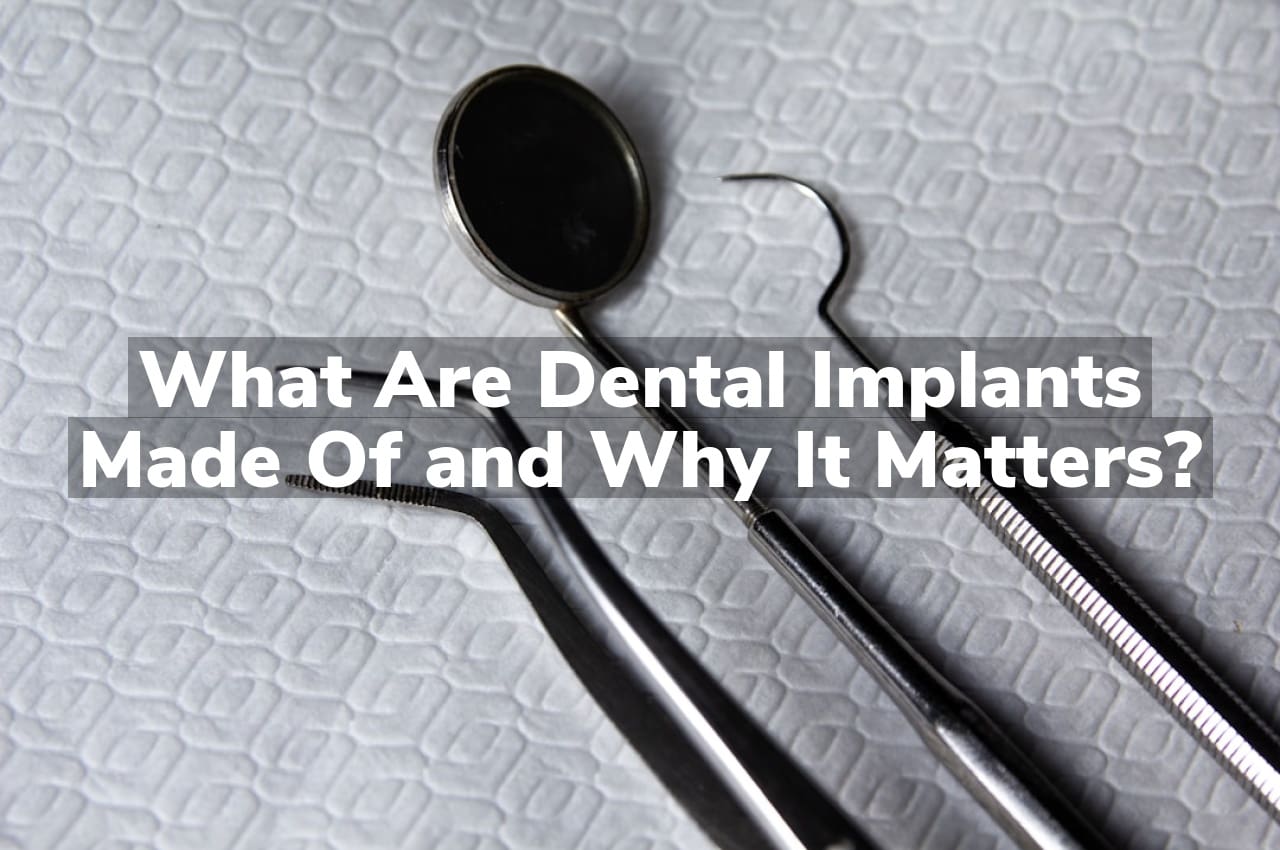
  • What Are Dental Implants Made Of and Why It Matters?

    What Are Dental Implants Made Of and Why It Matters?

    What are dental implants made of, and why does it matter? Dental implants are typically crafted from biocompatible materials like titanium and certain ceramics, which are chosen for their durability and compatibility with body tissues. The materials used are crucial as they directly affect the implant’s longevity and how well it integrates with the jawbone.

    Common Materials in Dental Implants

    Dental implants are primarily made from a variety of biocompatible materials, which ensure they can integrate well with the human body without causing adverse reactions. The most commonly used material is titanium, renowned for its strength, durability, and excellent compatibility with bone tissue. This metal forms the base of the implant, which is surgically placed into the jawbone. Over time, titanium implants can fuse with the bone through a process known as osseointegration, providing a stable foundation for the replacement teeth.

    Another material often used in the manufacturing of dental implants is zirconia. Known for its tooth-like color, zirconia offers an aesthetic alternative to titanium and is favored for its hypoallergenic properties. Both materials are designed to support the demands of daily oral function and mimic the natural look of tooth roots. For those considering the timing and suitability of such procedures, exploring When Is It Too Late to Get Dental Implants? Key Considerations may provide valuable insights into the process and its benefits.

    Importance of Biocompatible Materials

    Biocompatible materials are crucial in the construction of dental implants because they must coexist without causing harm to the body’s natural tissues. These materials are selected based on their compatibility with human biology, ensuring that they can integrate seamlessly with bone and gum tissues. The primary goal is to minimize any adverse reactions in the body, such as inflammation or rejection, which can compromise the effectiveness and longevity of the dental implants.

    The choice of biocompatible materials also impacts the overall success rate of dental implants, influencing how well these artificial structures mimic the natural function and aesthetics of real teeth. Ensuring that the materials used are well-tolerated by the body helps in maintaining the health and stability of the implant over time. For those considering their options, exploring Affordable Dental Implants in Woodstock may provide further insights into how these materials are used to enhance oral health.

    Durability of Implant Materials

    The materials used in dental implants play a crucial role in their longevity and functionality. Typically, these implants are crafted from biocompatible materials that are designed to integrate well with the human body. The durability of these materials ensures that the implants can withstand the daily pressures and challenges posed by natural teeth functions such as chewing and biting. Over time, the resilience of these materials helps in maintaining the structural integrity of the implant, contributing to its long-term success in dental restoration.

    Aesthetic Considerations for Materials

    When considering dental implants, the materials used are not only chosen for their durability and compatibility with the body but also for their aesthetic qualities. The appearance of dental implants is crucial as they need to blend seamlessly with the surrounding natural teeth. Materials are typically designed to mimic the color and translucency of natural tooth enamel, ensuring that the implants look as natural as possible. This focus on aesthetics helps maintain the overall appearance of a patient’s smile, contributing to both their confidence and oral health. For more information, consider consulting with a professional like Woodstock Dentist.

    Innovations in Implant Material Technology

    Recent advancements in implant material technology have significantly influenced the field of dental prosthetics. Traditionally, materials such as titanium have dominated the landscape due to their durability and biocompatibility. However, ongoing research and development are paving the way for the use of novel materials that could potentially offer enhanced properties. These innovations aim to improve various aspects of dental implants, including their structural integrity, aesthetic appeal, and the overall patient experience. As technology progresses, the evolution of these materials continues to play a crucial role in the development of dental implantology.

    Conclusion

    Understanding the materials used in dental implants helps you appreciate their durability and functionality. For further inquiries, call us at 678-483-5999 or read our reviews on Google Maps.
    David W

    May 3, 2024
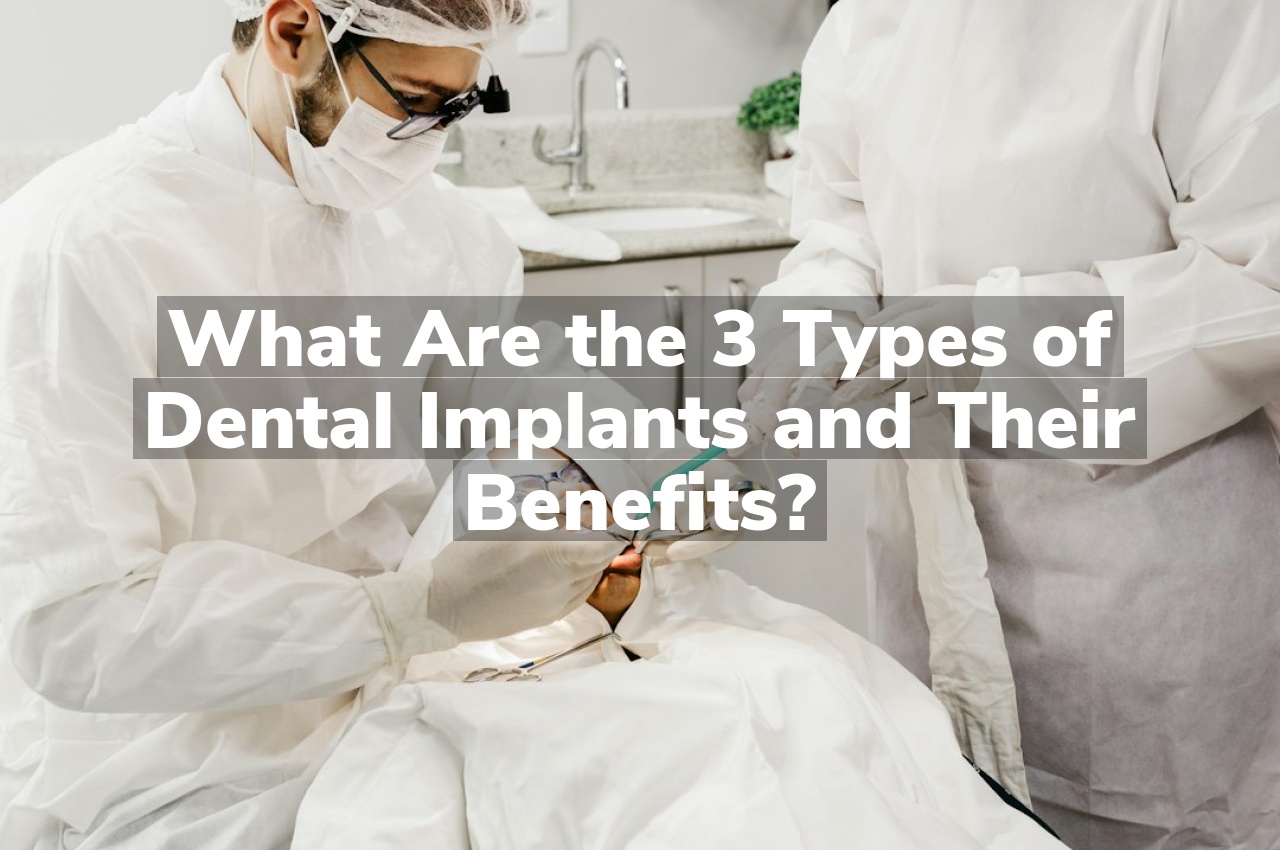
  • What Are the 3 Types of Dental Implants and Their Benefits?

    What Are the 3 Types of Dental Implants and Their Benefits?

    Are you curious about the different types of dental implants and their benefits? Dental implants come in three main types, each designed to accommodate various dental needs and bone structures, providing a durable solution for missing teeth. These implants help in restoring functionality and enhancing oral health without affecting adjacent teeth.

    Overview of Endosteal Dental Implants

    Endosteal dental implants are the most commonly used type in modern dentistry. These implants are typically made from biocompatible materials such as titanium and are placed directly into the jawbone, serving as a sturdy foundation for replacement teeth. The process involves the surgical insertion of the implant, which then fuses with the bone over time through a process known as osseointegration. This type of implant is often chosen for its durability and the stability it provides in restoring functionality and aesthetics to a patient’s smile.

    Understanding the materials used in these implants is crucial for appreciating their compatibility and longevity within the human body. For more detailed information on the composition of these implants, you might find the article What Are Dental Implants Made Of and Why It Matters? insightful. Endosteal implants not only help in replacing missing teeth but also play a significant role in maintaining jawbone integrity, preventing the bone loss that often accompanies tooth loss.

    Subperiosteal Implants: Basic Understanding

    Subperiosteal implants are one of the three primary types of dental implants used in modern dentistry. Unlike endosteal implants, which are inserted directly into the jawbone, subperiosteal implants rest on top of the jawbone but beneath the gum tissue. This type of implant is typically used for patients who do not have sufficient healthy jawbone and are seeking an alternative to bone grafting. The framework of subperiosteal implants is made to fit over the jawbone, providing a unique supportive structure for the placement of dental prosthetics.

    The primary benefit of subperiosteal implants is their ability to provide a foundation for dental prostheses without the need for invasive bone augmentation procedures. This makes them a viable option for patients who are unable to undergo traditional implantation methods due to medical or anatomical reasons. As dental technology advances, the use of subperiosteal implants continues to be explored for its potential benefits in specific clinical scenarios. For more detailed information on various implant options, consider visiting Woodstock Dental Implants Near You.

    Zygomatic Implants Explained Simply

    Zygomatic implants are a type of dental implant designed for individuals who lack sufficient jawbone for traditional implants. Unlike conventional implants that are anchored into the jawbone, zygomatic implants are longer and are anchored in the zygoma bone, which is the cheekbone. This alternative is generally considered when the patient has significant bone loss in the upper jaw and traditional implants are not feasible. The use of zygomatic implants expands the possibilities for those seeking dental restoration, providing a solution where other types might not be viable.

    General Benefits of Dental Implants

    Dental implants offer a range of general benefits that contribute significantly to oral health and overall well-being. Primarily, they provide a stable and durable solution for replacing missing teeth, helping to restore the functionality of the mouth in terms of chewing and speaking. Additionally, dental implants are designed to mimic natural teeth, supporting the jawbone’s health and preventing bone loss. This can also contribute to maintaining the natural shape of the face. Aesthetically, they enhance the appearance of one’s smile, which can boost self-confidence. For those considering their options in dental care, consulting with a professional like Woodstock Dentist could provide further insights into the advantages of dental implants.

    Longevity and Success Rates Explored

    When considering the different types of dental implants, it’s important to understand their longevity and success rates. Generally, dental implants are known for their durability and high success rates across various types. The longevity of dental implants can significantly vary depending on several factors including the type of implant, the health of the patient, and the care and maintenance provided post-procedure. Research indicates that with proper care, dental implants can last for many years, often providing a long-term solution for replacing missing teeth. The success rates of dental implants are also notably high, making them a reliable choice in the field of dental restorations.

    Conclusion

    Explore how dental implants could suit your needs by reading reviews on Google Maps. For further inquiries, call us at 678-483-5999.

    David W

    May 3, 2024
  • Coffee Impact on Dental Whitening Outcomes

    Coffee Impact on Dental Whitening Outcomes

    Are you a coffee lover who is also interested in maintaining a bright, white smile? In this post, we will explore the impact of coffee on dental whitening outcomes and provide you with a brief summary of how it can affect the results.

    Staining prevention: Coffee’s effect on enamel

    Coffee, a beloved morning ritual for many, has long been associated with dental staining. Its dark pigments can easily adhere to the enamel, leading to unsightly discoloration over time. However, understanding the impact of coffee on dental whitening outcomes is crucial for those seeking a brighter smile.

    The enamel, the outermost layer of the tooth, plays a vital role in protecting the underlying dentin and pulp. Unfortunately, it is also susceptible to staining. Coffee contains compounds called tannins, which can bind to the enamel and cause discoloration. These tannins, along with other pigments present in coffee, can penetrate the porous enamel surface, resulting in yellowing or brownish stains. To combat this, regular dental hygiene practices such as brushing, flossing, and professional cleanings are essential. Additionally, exploring teeth whitening options, like those discussed in our Quick Guide: Can Teeth Be Whitened?, can help reverse the effects of coffee staining and restore a brighter, more confident smile.

    Whitening challenges: Battling coffee-induced discoloration.

    Coffee, a beloved morning ritual for many, can unfortunately take a toll on the brightness of our smiles. Its dark pigments have the potential to cause stubborn stains on our teeth, making it one of the most common challenges faced during dental whitening procedures. The high concentration of tannins in coffee can easily penetrate the enamel, leading to discoloration that is difficult to remove with regular brushing alone.

    To combat coffee-induced discoloration and achieve a brighter smile, professional teeth whitening services can be a game-changer. These services utilize advanced techniques and specialized products that effectively target and eliminate coffee stains, restoring the natural whiteness of your teeth. If you’re looking to brighten your smile and say goodbye to coffee-induced discoloration, consider opting for professional teeth whitening. Visit our Brighten your smile with professional teeth whitening page to learn more about how our services can help you regain your pearly whites.

    Coffee alternatives: Brightening smiles without sacrificing taste.

    Coffee is a beloved beverage that many people rely on to kickstart their day. However, its consumption can have a negative impact on dental whitening outcomes. The dark pigments in coffee can stain the teeth, leading to a dull and discolored smile. But fear not, there are plenty of coffee alternatives that can still provide a flavorful and enjoyable experience without compromising the whiteness of your teeth. Switching to herbal teas, such as chamomile or peppermint, can offer a soothing and refreshing alternative to coffee. Additionally, incorporating natural ingredients like turmeric or activated charcoal into your drinks can help brighten your smile while still satisfying your taste buds. So, if you’re looking to maintain a radiant smile, consider exploring these coffee alternatives that won’t sacrifice taste.

    Coffee and sensitivity: Minimizing discomfort during whitening.

    Coffee is a beloved beverage enjoyed by many, but its consumption can have an impact on dental whitening outcomes. One common side effect of teeth whitening is increased tooth sensitivity, and coffee can exacerbate this issue. The high acidity and dark pigments in coffee can weaken the tooth enamel, making it more susceptible to sensitivity during the whitening process. To minimize discomfort, it is recommended to limit coffee intake before and after whitening treatments. Additionally, using a desensitizing toothpaste or gel can help alleviate sensitivity. Consulting with a Woodstock Dentist can provide personalized advice and guidance on how to manage coffee consumption and minimize discomfort during dental whitening procedures.

    Post-whitening maintenance: Enjoying coffee responsibly.

    After undergoing a dental whitening treatment, it is important to maintain the results for as long as possible. While coffee is known to stain teeth, it doesn’t mean you have to completely give up your favorite morning beverage. By enjoying coffee responsibly, you can still indulge in its rich flavors without compromising your newly whitened smile. One way to minimize the impact of coffee on dental whitening outcomes is to use a straw when drinking it. This helps to bypass direct contact with your teeth, reducing the chances of staining. Additionally, rinsing your mouth with water after consuming coffee can help wash away any residue that may contribute to discoloration. Lastly, consider using a whitening toothpaste or visiting your dentist for touch-up treatments to counteract any staining caused by coffee. By following these post-whitening maintenance tips and enjoying coffee responsibly, you can continue to enjoy your favorite beverage while maintaining a bright and white smile.

    Conclusion

    In summary, the impact of coffee on dental whitening outcomes should be considered, and for further information or to schedule an appointment, please contact Woodstock Dentist at 678-483-5999 or read reviews on Google Maps.

    David W

    February 29, 2024
  • Dentist’s Guide to Effective Whitening

    Dentist’s Guide to Effective Whitening

    Are you looking for a dentist’s guide to effective teeth whitening? Look no further! In this post, we will provide you with valuable insights and tips on how to achieve maximum whitening results for a brighter, more confident smile.

    Choosing the right whitening treatment

    When it comes to achieving a brighter and whiter smile, choosing the right whitening treatment is crucial. With so many options available, it can be overwhelming to decide which one is best for you. Here are a few factors to consider when making your decision.

    Firstly, it’s important to consult with your dentist before starting any whitening treatment. They will be able to assess your oral health and recommend the most suitable option for you. Some treatments may not be suitable for individuals with sensitive teeth or certain dental conditions.

    Additionally, consider the level of whitening you desire. Over-the-counter whitening products, such as whitening toothpaste or strips, may be sufficient for mild discoloration. However, for more significant results, professional treatments like in-office bleaching or custom-made whitening trays may be necessary. These options provide stronger and longer-lasting effects.

    Furthermore, it’s essential to be aware of any potential factors that may affect the outcome of your whitening treatment. For instance, did you know that consuming coffee can impact dental whitening outcomes? Coffee is known to stain teeth, and its consumption during or after whitening treatment can hinder the desired results. To learn more about the impact of coffee on dental whitening outcomes, check out our informative article Coffee Impact on Dental Whitening Outcomes.

    In conclusion, choosing the right whitening treatment requires careful consideration of your oral health, desired level of whitening, and potential factors that may affect the outcome. Consulting with your dentist and exploring different options will help you achieve a brighter and more confident smile. Remember to be mindful of the impact of coffee on dental whitening outcomes, as it can influence the effectiveness of your chosen treatment.

    Understanding the science behind whitening

    Teeth whitening is a popular cosmetic dental procedure that involves the use of bleaching agents to lighten the color of the teeth. The science behind whitening involves the use of hydrogen peroxide or carbamide peroxide, which penetrates the enamel and breaks down the stains and discoloration. These bleaching agents react with the discolored molecules in the teeth, causing them to break apart and become less concentrated, resulting in a brighter and whiter smile.

    It’s important to understand that the effectiveness of teeth whitening treatments can vary depending on the individual’s dental health and the severity of the stains. Additionally, it’s crucial to consult with a qualified dentist to ensure that the whitening procedure is safe and effective for your specific needs. Understanding the science behind whitening can help you make informed decisions about the best whitening treatment for your smile. Enhance your smile with our teeth whitening treatments.

    Maintaining long-lasting whitening results

    Achieving a bright, white smile is an exciting accomplishment, but it’s equally important to maintain those results for as long as possible. To ensure the longevity of your whitening treatment, there are a few key steps you can take. Firstly, practicing good oral hygiene is crucial. Brushing your teeth at least twice a day with a whitening toothpaste and flossing daily will help remove surface stains and prevent new ones from forming. Additionally, avoiding foods and beverages that are known to stain teeth, such as coffee, tea, and red wine, can significantly contribute to maintaining your whitening results. Regular dental check-ups and professional cleanings are also essential, as your dentist can provide touch-up treatments or recommend at-home maintenance products to keep your smile looking its best. By following these simple steps, you can enjoy a radiant, white smile for years to come.

    Common myths about teeth whitening

    There are several common myths surrounding teeth whitening that often lead to misconceptions and confusion. One of the most prevalent myths is that teeth whitening can damage the enamel. In reality, when done correctly and under the supervision of a dental professional, teeth whitening is a safe and effective procedure that does not harm the enamel. Another myth is that whitening toothpaste can provide the same results as professional teeth whitening treatments. While whitening toothpaste can help remove surface stains, they are not as effective in achieving significant whitening results. It is important to consult with a Woodstock Dentist to understand the best teeth whitening options available and to debunk any myths associated with the procedure.

    Whitening Options for Sensitive Teeth

    Sensitive teeth can often pose a challenge when it comes to teeth whitening. However, there are several effective options available for individuals with sensitive teeth who still desire a brighter smile. One popular option is using whitening toothpaste specifically formulated for sensitive teeth. These toothpaste contain ingredients that help minimize tooth sensitivity while still effectively removing surface stains. Another option is professional teeth whitening treatments performed by a dentist. Dentists can customize the treatment to suit the individual’s level of sensitivity, ensuring a comfortable experience while achieving noticeable results. Additionally, at-home whitening kits with lower concentrations of bleaching agents can be used under the guidance of a dentist to minimize sensitivity. It is important to consult with a dentist to determine the most suitable whitening option for sensitive teeth, as they can provide personalized recommendations based on the individual’s specific needs and oral health condition.

    Conclusion

    For a brighter and whiter smile, contact Woodstock Dentist at 678-483-5999 and check out our Google Maps reviews.

    David W

    February 29, 2024
  • Evaluating Professional Teeth Whitening

    Evaluating Professional Teeth Whitening

    Are you considering professional teeth whitening but unsure of how to evaluate your options? Look no further! In this post, we will discuss the key factors to consider when evaluating professional teeth whitening treatments, helping you make an informed decision for a brighter, more confident smile.

    Types of professional teeth whitening

    Professional teeth whitening is a popular cosmetic dental procedure that can help individuals achieve a brighter and more confident smile. There are several types of professional teeth whitening treatments available, each with its own unique benefits.

    One common type of professional teeth whitening is in-office bleaching. This procedure is performed by a dentist and involves the application of a bleaching agent directly to the teeth. The dentist will carefully monitor the process to ensure optimal results. Another option is take-home whitening kits provided by dentists. These kits typically include custom-made trays and a professional-grade whitening gel. Patients can use these kits in the comfort of their own homes, following the dentist’s instructions for safe and effective whitening.

    For a comprehensive guide on effective teeth whitening techniques and tips, check out the Dentist’s Guide to Effective Whitening. This resource provides valuable information on various whitening methods, including professional treatments, and offers insights on maintaining long-lasting results. Whether you choose in-office bleaching or a take-home kit, consulting with a dental professional is essential to determine the most suitable option for your specific needs and ensure a safe and successful teeth whitening experience.

    Benefits of Professional Teeth Whitening

    Professional teeth whitening offers numerous benefits that go beyond just achieving a brighter smile. One of the main advantages is the effectiveness of the treatment. Unlike over-the-counter whitening products, professional teeth whitening procedures are performed by trained dental professionals who use high-quality products and advanced techniques. This ensures that the whitening process is more efficient and delivers noticeable results in a shorter amount of time.

    Another benefit of professional teeth whitening is the customization it offers. Dentists can tailor the treatment to meet the specific needs and preferences of each patient. They can adjust the concentration of the whitening agent and the duration of the treatment to ensure optimal results without causing any sensitivity or discomfort. Additionally, professional teeth whitening can address stubborn stains and discoloration that cannot be effectively treated with store-bought products.

    Experience the benefits of teeth whitening in Woodstock by visiting our teeth whitening services. Our skilled dental professionals will provide you with a personalized treatment plan to help you achieve a whiter and more confident smile.

    Cost considerations for professional teeth whitening

    When considering professional teeth whitening, it is important to take into account the associated costs. The cost of professional teeth whitening can vary depending on several factors, including the location of the dental clinic, the expertise of the dentist, and the specific treatment chosen. Generally, professional teeth whitening procedures tend to be more expensive than over-the-counter whitening products. However, it is essential to remember that professional teeth whitening is performed by trained professionals using high-quality materials, which can lead to more effective and longer-lasting results. Additionally, professional teeth whitening treatments often include personalized care and follow-up appointments to ensure optimal outcomes. While the cost may be higher upfront, the investment in professional teeth whitening can provide a brighter and more confident smile in the long run.

    Safety and Effectiveness of Professional Teeth Whitening

    Professional teeth whitening is a popular cosmetic dental procedure that can help you achieve a brighter, more confident smile. However, it’s important to consider the safety and effectiveness of this treatment before undergoing it. Professional teeth whitening is generally safe when performed by a licensed dentist or dental hygienist. They use high-quality products and techniques that are designed to minimize the risk of side effects such as tooth sensitivity or gum irritation. Additionally, professional teeth whitening is more effective than over-the-counter whitening products, as it can remove deeper stains and provide longer-lasting results.

    If you’re considering professional teeth whitening, it’s important to consult with a reputable dentist like Woodstock Dentist. They can evaluate your oral health and recommend the best whitening treatment for your needs. With their expertise and guidance, you can achieve a brighter, healthier smile that you’ll be proud to show off.

    Maintaining Results After Professional Teeth Whitening

    After undergoing professional teeth whitening, it is essential to take certain measures to maintain the results and prolong the effects of the treatment. Firstly, it is crucial to practice good oral hygiene by brushing and flossing regularly. This helps to remove surface stains and prevent the buildup of plaque, which can dull the appearance of your teeth. Additionally, avoiding foods and beverages that are known to stain teeth, such as coffee, tea, red wine, and tobacco products, can significantly contribute to maintaining the whiteness of your smile. Using whitening toothpaste or mouthwash can also help to keep your teeth bright and prevent discoloration. Lastly, scheduling regular dental check-ups and cleanings with your dentist will ensure that any potential issues are addressed promptly, and your teeth remain healthy and white. By following these simple steps, you can enjoy long-lasting results from your professional teeth whitening treatment.

    Conclusion

    For professional teeth whitening services, contact Woodstock Dentist at 678-483-5999 and read our reviews on Google Maps.
    David W

    February 29, 2024
  • Need Teeth Whitening? Get Insights!

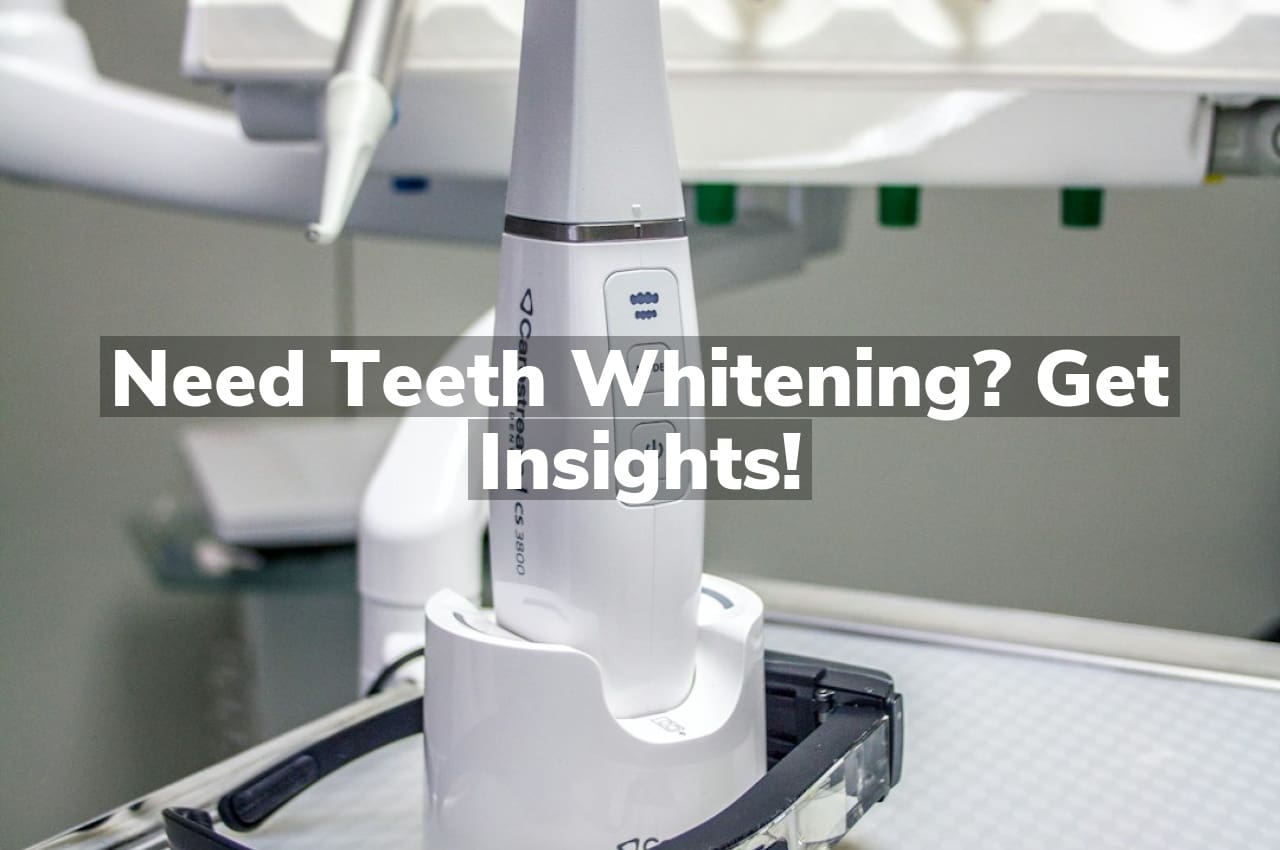
    Need Teeth Whitening? Get Insights!

    Are you looking to brighten your smile? If so, you’ve come to the right place! At Woodstock Dentist, we offer professional teeth whitening treatments that can help you achieve a dazzling smile in no time.

    Causes of Teeth Discoloration

    Teeth discoloration can be caused by various factors, ranging from lifestyle choices to certain medical conditions. One common cause is the consumption of dark-colored beverages such as coffee, tea, and red wine, which can stain the enamel over time. Smoking tobacco products can also lead to yellowing or browning of the teeth due to the nicotine and tar present in cigarettes. Additionally, poor oral hygiene practices, such as inadequate brushing and flossing, can contribute to the buildup of plaque and tartar, resulting in a dull and discolored smile.

    Another significant factor in teeth discoloration is the natural aging process. As we age, the outer layer of enamel on our teeth gradually wears away, revealing the yellowish dentin underneath. Certain medications, such as tetracycline antibiotics, can cause intrinsic stains that are difficult to remove through regular brushing. Furthermore, some individuals may experience teeth discoloration as a result of genetics or underlying medical conditions, such as enamel hypoplasia or fluorosis.

    If you are looking for effective teeth whitening solutions, it is essential to consider professional options. Evaluating professional teeth whitening treatments can provide you with the best results. These treatments are typically performed by dental professionals who have the expertise and knowledge to safely and effectively whiten your teeth. To learn more about the benefits of professional teeth whitening, you can visit our page on Evaluating Professional Teeth Whitening.

    Benefits of professional teeth whitening

    Professional teeth whitening offers numerous benefits that go beyond just achieving a brighter smile. One of the main advantages is the effectiveness of the treatment. Unlike over-the-counter whitening products, professional teeth whitening procedures are performed by dental experts who use high-quality products and advanced techniques to ensure optimal results. This means that you can expect a significant improvement in the color of your teeth, removing stubborn stains and discoloration that may have been resistant to other whitening methods.

    Another benefit of professional teeth whitening is the safety aspect. Dentists are trained to assess the condition of your teeth and gums before recommending any treatment. This ensures that the whitening procedure is suitable for you and minimizes the risk of any potential side effects. Additionally, professional teeth whitening treatments are customized to meet your specific needs, taking into account factors such as tooth sensitivity and desired shade. This personalized approach ensures a comfortable experience and reduces the chances of any complications.

    If you are looking to transform your smile with teeth whitening services, consider visiting our teeth whitening page. Our experienced dental professionals will provide you with a safe and effective treatment that will leave you with a brighter, more confident smile.

    At-home teeth whitening options

    Looking for ways to brighten your smile from the comfort of your own home? At-home teeth whitening options can be a convenient and cost-effective solution. There are several methods available, such as whitening toothpaste, whitening strips, and whitening trays. Whitening toothpaste contains mild abrasives that help remove surface stains while whitening strips are thin, flexible pieces coated with a peroxide-based gel that can be applied directly to the teeth. Whitening trays, on the other hand, are custom-made trays that are filled with a whitening gel and worn over the teeth for a specific period. These at-home options can provide noticeable results, but it’s important to follow the instructions carefully and consult with a dentist if you have any concerns or underlying dental issues.

    Foods and drinks that stain teeth

    Certain foods and drinks can contribute to the discoloration of your teeth, making them appear dull and stained. Coffee, tea, red wine, and dark-colored sodas are some of the main culprits that can leave unsightly stains on your teeth. Additionally, highly pigmented foods like berries, tomato sauce, and soy sauce can also cause staining. It’s important to be mindful of your consumption of these items and consider reducing their intake or rinsing your mouth with water after consuming them to minimize the staining effects. Regular dental cleanings and professional teeth whitening treatments can help combat these stains and restore your pearly whites. If you’re looking for a trusted dentist in Woodstock, visit Woodstock Dentist for expert dental care and teeth whitening solutions.

    Maintaining a bright smile long-term

    Maintaining a bright smile long-term is essential for those who have undergone teeth whitening treatments. After investing time and effort into achieving a dazzling smile, it is crucial to adopt certain practices to ensure its longevity. Firstly, practicing good oral hygiene is key. Brushing your teeth twice a day with a whitening toothpaste and flossing regularly can help remove surface stains and prevent the buildup of plaque. Additionally, avoiding foods and beverages that are known to stain teeth, such as coffee, tea, and red wine, can significantly contribute to maintaining a bright smile. Regular dental check-ups and professional cleanings are also vital to address any potential issues and keep your teeth looking their best. By following these simple steps, you can enjoy a radiant smile for years to come.

    Conclusion

    For professional teeth whitening services, contact Woodstock Dentist at 678-483-5999 and read our reviews on Google Maps.
    David W

    February 29, 2024
  • Top Pro Teeth Whitening for Sensitivity

    Top Pro Teeth Whitening for Sensitivity

    Are you looking for a teeth whitening solution that is gentle on sensitive teeth? Look no further than Woodstock Dentist, where we offer top pro teeth whitening treatments specifically designed for those with sensitivity. Our advanced techniques and products ensure a brighter smile without causing discomfort.

    Causes of Tooth Sensitivity

    Tooth sensitivity can be a bothersome condition that affects many individuals seeking professional teeth whitening treatments. Understanding the causes of tooth sensitivity is crucial in order to address and prevent this discomfort. One common cause of tooth sensitivity is enamel erosion, which can occur due to factors such as acidic foods and beverages, aggressive brushing techniques, or tooth grinding. When the protective layer of enamel wears down, the underlying dentin becomes exposed, leading to sensitivity. Another cause of tooth sensitivity is gum recession, which exposes the sensitive roots of the teeth. This can happen as a result of gum disease, aging, or improper oral hygiene practices. Additionally, tooth decay, cracked teeth, and dental procedures like teeth whitening can also contribute to tooth sensitivity.

    If you are experiencing tooth sensitivity and are considering teeth whitening, it is important to gather insights and information before proceeding. To learn more about the various aspects of teeth whitening and how to minimize sensitivity, check out our comprehensive guide on Need Teeth Whitening? Get Insights! This resource provides valuable tips and advice to help you make an informed decision and achieve a brighter smile without compromising your dental health. Remember, understanding the causes of tooth sensitivity and taking necessary precautions can ensure a comfortable and successful teeth whitening experience.

    Benefits of professional whitening

    Professional teeth whitening offers numerous benefits that go beyond just achieving a brighter smile. One of the main advantages is the ability to effectively whiten teeth while minimizing sensitivity. Unlike over-the-counter whitening products, professional treatments are tailored to individual needs, ensuring a comfortable experience for those with sensitive teeth. The use of advanced techniques and high-quality whitening agents by trained professionals helps to reduce the risk of tooth and gum sensitivity, making it a suitable option for individuals who have previously experienced discomfort with other whitening methods.

    In addition to sensitivity reduction, professional teeth whitening provides long-lasting and noticeable results. The treatment is designed to remove deep stains and discoloration that cannot be easily eliminated by regular brushing or over-the-counter products. By targeting stubborn stains caused by factors such as aging, tobacco use, or consumption of certain foods and beverages, professional whitening can significantly enhance the whiteness of teeth. Achieve whiter teeth at our Woodstock location by scheduling an appointment for our top pro teeth whitening services. Our experienced team will ensure a comfortable and effective treatment, leaving you with a brighter and more confident smile.

    For more information about our teeth whitening services, visit our teeth whitening page.

    Best Whitening Options for Sensitivity

    Sensitive teeth can make the teeth whitening process uncomfortable and even painful for some individuals. However, there are several whitening options available that are specifically designed to address this issue. One of the best options for sensitive teeth is using a whitening toothpaste or gel that contains potassium nitrate or fluoride. These ingredients help to desensitize the teeth and reduce any discomfort during the whitening process. Another great option is to opt for professional teeth whitening treatments, such as laser whitening or custom-made trays provided by a dentist. These treatments are carefully formulated to minimize sensitivity while effectively brightening your smile. It is important to consult with a dental professional to determine the best whitening option for your specific sensitivity needs.

    Preparing for a whitening treatment

    Before undergoing a professional teeth whitening treatment, it is important to take certain steps to ensure optimal results and minimize sensitivity. Firstly, schedule a consultation with your Woodstock Dentist to discuss your goals and determine the most suitable whitening method for your specific needs. During this visit, your dentist will also evaluate your oral health to address any underlying issues that may affect the whitening process. It is recommended to have a professional cleaning prior to the treatment to remove any plaque or tartar buildup, allowing the whitening agents to penetrate the teeth more effectively. Additionally, it is advisable to avoid consuming staining substances such as coffee, tea, or tobacco products for a few days before the treatment. Following these guidelines will help you achieve a brighter smile with minimal sensitivity.

    To get the best results and ensure your safety, trust the expertise of a Woodstock Dentist. Contact us today to schedule your teeth whitening consultation.

    Post-treatment care for sensitive teeth

    After undergoing a professional teeth whitening treatment, it is essential to take proper care of your sensitive teeth to maintain the results and prevent any discomfort. Firstly, avoid consuming foods and beverages that are known to stain teeth, such as coffee, tea, red wine, and dark-colored sauces. Additionally, it is advisable to steer clear of acidic foods and drinks, as they can further aggravate tooth sensitivity. Brushing your teeth with a soft-bristled toothbrush and using a toothpaste specifically designed for sensitive teeth can help alleviate any discomfort. Furthermore, using fluoride mouthwash and flossing regularly can aid in maintaining good oral hygiene and reducing sensitivity. Lastly, scheduling regular dental check-ups and cleanings will ensure that any potential issues are addressed promptly, allowing for a healthy and bright smile.

    Conclusion

    For the top pro teeth whitening for sensitivity, contact Woodstock Dentist at 678-483-5999 and check out our reviews on Google Maps.

    David W

    February 29, 2024
  • Quick Guide: Can Teeth Be Whitened?

    Quick Guide: Can Teeth Be Whitened?

    Are you curious about teeth whitening but not sure if it’s right for you? At Woodstock Dentist, we’ve got you covered with a quick guide to help you understand the process and determine if teeth whitening is the right choice for you. With professional treatments and at-home options, achieving a brighter, whiter smile is easier than ever.

    Causes of tooth discoloration

    Tooth discoloration can occur due to various factors, ranging from external stains to internal changes in the tooth structure. One common cause is the consumption of certain foods and beverages, such as coffee, tea, red wine, and dark-colored fruits. These substances contain chromogens, which are highly pigmented molecules that can attach to the enamel and cause staining over time. Additionally, tobacco use, both smoking and chewing, can lead to yellow or brown discoloration of the teeth.

    Another cause of tooth discoloration is poor oral hygiene. Inadequate brushing and flossing can allow plaque and tartar to build up on the teeth, leading to a yellowish appearance. Furthermore, certain medications, such as tetracycline antibiotics, can cause intrinsic stains that develop within the tooth structure. Age-related factors, such as the natural thinning of the enamel and the exposure of the underlying dentin, can also contribute to tooth discoloration. If you are looking for effective teeth whitening options, consider trying Top Pro Teeth Whitening for Sensitivity, which offers natural solutions for individuals with sensitive teeth.

    Common Teeth Whitening Methods

    Teeth whitening is a popular cosmetic dental procedure that can help you achieve a brighter and more confident smile. There are several common teeth whitening methods available, each with its own benefits and considerations. One of the most common methods is professional teeth whitening performed by a dentist. This involves the application of a bleaching agent to the teeth, which helps remove stains and discoloration. Another popular option is at-home teeth whitening kits, which typically include whitening gels or strips that are applied to the teeth for a specified period. These kits are convenient and can be effective, although results may vary. It’s important to note that teeth whitening methods may not be suitable for everyone, especially those with sensitive teeth or certain dental conditions. Therefore, it is recommended to consult with a dental professional to determine the most appropriate teeth whitening method for your specific needs.

    If you’re looking to enhance your smile and achieve a dazzling set of pearly whites, consider teeth whitening. At our dental clinic, we offer professional teeth whitening services that can help you achieve the smile of your dreams. Get a dazzling smile with teeth whitening by visiting our teeth whitening services page and schedule an appointment today. Our experienced team will guide you through the process and ensure that you achieve the best possible results.

    Pros and Cons of DIY Whitening

    When it comes to teeth whitening, many individuals consider the option of DIY whitening methods. One of the major advantages of DIY whitening is its cost-effectiveness. Over-the-counter whitening kits and homemade remedies are often more affordable compared to professional treatments. Additionally, DIY whitening allows individuals to have more control over the process, as they can choose the frequency and duration of the treatment. However, it is important to note that there are some drawbacks to consider. DIY whitening may not always provide the desired results, especially for individuals with severe discoloration or stubborn stains. Moreover, improper use of whitening products can lead to tooth sensitivity, gum irritation, or even enamel damage. Therefore, it is crucial to weigh the pros and cons before opting for DIY whitening methods.

    Professional teeth whitening options

    When it comes to achieving a brighter smile, professional teeth whitening options are often the most effective. Whether it’s in-office treatments or take-home kits provided by a dentist, these options can provide quicker and more noticeable results compared to over-the-counter products. Professional teeth whitening also ensures that the process is safe and supervised by a dental professional, minimizing the risk of potential damage to the teeth and gums. For the best professional teeth whitening options, visit Woodstock Dentist for expert care and personalized treatment plans.

    Maintaining a Bright Smile Long-Term

    Maintaining a bright smile long-term is essential for those who have undergone teeth whitening treatments. After investing time and effort into achieving a whiter smile, it is important to adopt certain habits to ensure the results last as long as possible. Firstly, practicing good oral hygiene is crucial. Brushing your teeth twice a day, flossing regularly, and using mouthwash can help prevent stains from building up on the teeth. Additionally, avoiding foods and beverages that are known to stain teeth, such as coffee, tea, red wine, and tobacco, can significantly contribute to maintaining a bright smile. Regular dental check-ups and professional cleanings are also recommended to remove any plaque or tartar that may dull the teeth’s appearance. By following these simple steps, individuals can enjoy a radiant smile for years to come.

    Conclusion

    In summary, if you’re looking to brighten your smile, contact Woodstock Dentist at 678-483-5999 to explore teeth whitening options and read reviews on Google Maps.

    David W

    February 29, 2024
←Previous Page

Woodstock Dentist

Proudly making smiles brighter in Woodstock, Marietta, Canton, Acworth, and all nearby communities.

Book Online
Contact Us

Contact

8294 Hwy. 92, Suite 200, Woodstock, GA 30189

(678)-483-5999

Services

  • Cosmetic Dentistry

  • Dental Implants

  • Emergency Dentistry

  • General Dentistry

  • Clear Aligners

  • Restorative Dentistry

Hours

Monday: 8 AM – 4 PM
Tuesday: 8 AM – 5 PM
Wednesday: by appointment only
Thursday: 8 AM – 5 PM
Friday: 8 AM – 3 PM

© 2026 Woodstock Dentist. Privacy Policy HIPAA Notice

Accessibility Adjustments

Powered by OneTap

How long do you want to hide the toolbar?
Hide Toolbar Duration
Select your accessibility profile
Vision Impaired Mode
Enhances website's visuals
Seizure Safe Profile
Clear flashes & reduces color
ADHD Friendly Mode
Focused browsing, distraction-free
Blindness Mode
Reduces distractions, improves focus
Epilepsy Safe Mode
Dims colors and stops blinking
Content Modules
Font Size

Default

Line Height

Default

Color Modules
Orientation Modules